
Onshore Partner Visa (Subclass 820/801)
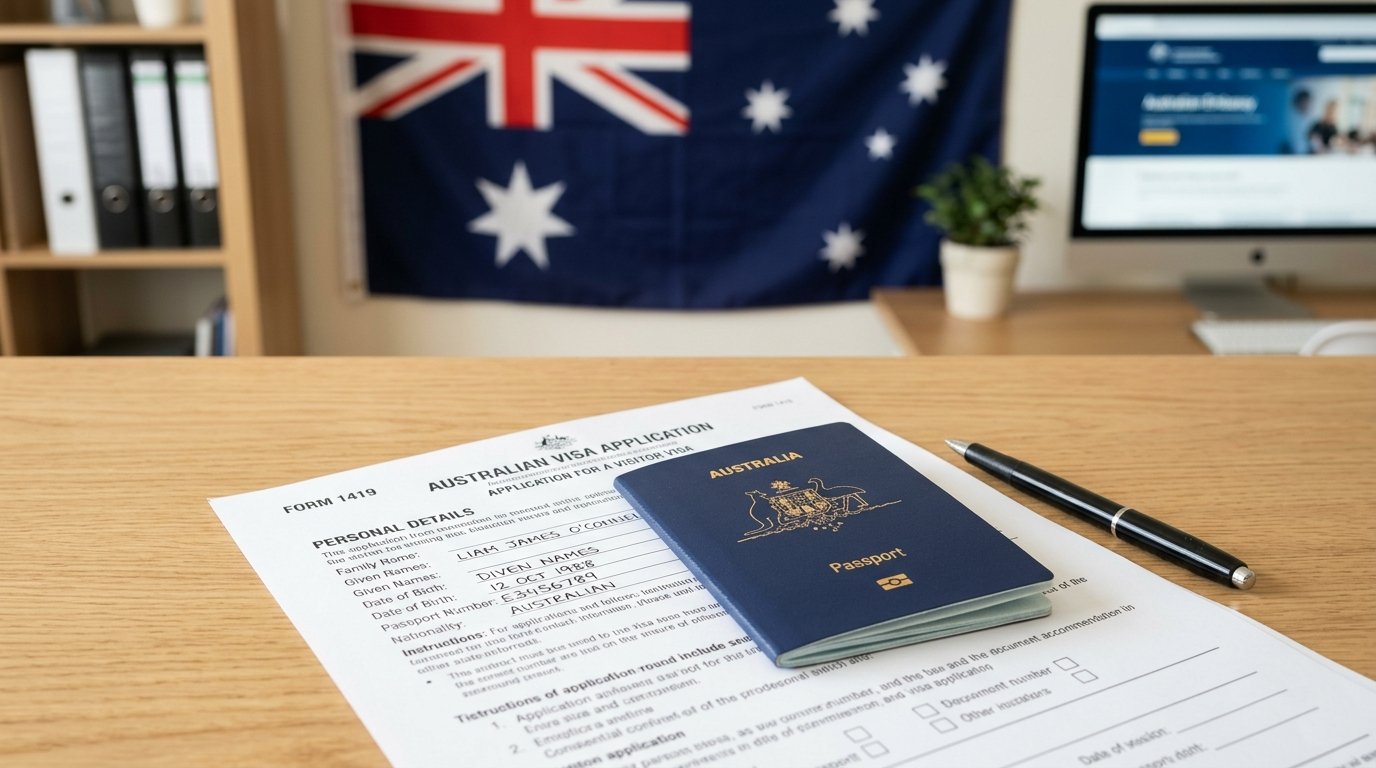
Want to join your partner and build your future together in Australia? The Australian Partner Visa provides a pathway for eligible spouses and de facto partners of Australian citizens, Australian permanent residents or eligible New Zealand citizens to live in Australia.
There are two main pathways:
- Onshore Partner Visa — Subclass 820/801 (applied while in Australia)
- Offshore Partner Visa — Subclass 309/100 (applied outside Australia)
The appropriate pathway depends on where you are located when you apply and your individual circumstances. At Jurist Migration, we help you understand the appropriate Partner Visa pathway and present your relationship circumstances clearly.
Partner Visa Types & Pathways
The Onshore Partner Visa allows you to remain in Australia with your partner while your application is processed.
Onshore Partner Visa (Subclass 820/801)
Stage 1 — Subclass 820 — Partner (Temporary)
The Subclass 820 is the temporary stage for eligible partners who apply while they are in Australia. It allows you to stay in Australia, work and study full-time, access Medicare, and is the first step towards the permanent Subclass 801 visa.
Stage 2 — Subclass 801 — Partner (Permanent)
The Subclass 801 is the permanent stage of the onshore Partner Visa pathway. Generally, two years must have passed since the initial Partner Visa application before the applicant becomes eligible for assessment for the permanent visa.
Offshore Partner Visa (Subclass 309/100)
Stage 1 — Subclass 309 — Partner (Provisional)
The Subclass 309 is the temporary/provisional stage for eligible partners who apply while outside Australia. It is the first step towards the permanent Subclass 100 visa.
Stage 2 — Subclass 100 — Partner (Migrant)
The Subclass 100 is the permanent stage of the offshore Partner Visa pathway. Eligible applicants are assessed for the permanent visa after the required period and when the applicable requirements are satisfied.
Relationship Types & Criteria
The Partner Visa program provides pathways for both married couples and couples in genuine de facto partnerships.
Married Relationship
You may be eligible if you are legally married to an Australian citizen, Australian permanent resident or eligible New Zealand citizen and your relationship meets the relevant genuineness requirements.
De Facto Relationship
You may be eligible if you are in a genuine and ongoing de facto relationship with your sponsoring partner.
Relationship Requirement: A 12-month relationship requirement generally applies to de facto applicants, although exceptions can apply in certain circumstances (such as official relationship registration).
Prospective Marriage — Subclass 300
If you are engaged to an Australian citizen, permanent resident or eligible New Zealand citizen and intend to marry your sponsor in Australia, the Prospective Marriage Visa (Subclass 300) may be a separate pathway to consider before transitioning to an onshore Subclass 820/801.
Relationship Evidence & Assessment
A strong Partner Visa application should clearly demonstrate the nature and history of your relationship across all mandatory criteria.
Important: The evidence should tell a consistent, credible, and verifiable story about your relationship from beginning to date.
Benefits of the Australian Partner Visa
The Subclass 820/801 pathway offers peace of mind and extensive rights while living with your partner in Australia.
Live With Your Partner
Live in Australia together with your partner without geographic restrictions.
Work in Australia
Enjoy full work rights in Australia while holding the temporary and permanent Partner visas.
Study in Australia
Study in Australia at Australian institutions, subject to applicable visa conditions.
Progress to Permanent Residence
Direct, structured progression from temporary Subclass 820 to permanent Subclass 801 residence.
Eligible Family Members
Include eligible dependent family members in your application where permitted by migration rules.
Potential Citizenship Pathway
Build a direct pathway towards Australian citizenship once permanent residence and residency periods are met.
Important Notice on Work Rights: Work rights depend on the visa and its conditions. Applicants should check their current conditions through VEVO rather than assuming unrestricted work rights.
What Happens If Your Relationship Changes?
If your relationship ends, this does not necessarily mean that a Partner Visa pathway must immediately end.
Domestic & Family Violence
There are circumstances where special provisions under Australian migration law may apply to applicants experiencing domestic or family violence from their sponsor.
Death of the Sponsor
Special provisions may apply following the death of the sponsoring partner, depending on the circumstances and evidence that the relationship would have continued.
Child of the Relationship
Certain circumstances involving a child of the relationship and applicable parental custody arrangements may allow the permanent visa application to proceed.
Important: Special provisions apply under strict statutory definitions and evidentiary requirements. Each situation should be assessed individually by a registered migration professional.
Build Your Future Together in Australia
Planning to join your partner in Australia? At Jurist Migration, we help you understand the appropriate Partner Visa pathway and present your relationship circumstances clearly. Get personalised, professional and transparent migration advice for your Partner Visa pathway.
Frequently Asked Questions
What is the Partner Visa (Subclass 820/801)?
The Subclass 820/801 pathway is the onshore Partner Visa pathway. Subclass 820 is the temporary stage (allowing you to live in Australia with full work and study rights), followed by assessment for the permanent Subclass 801 visa generally two years after the initial application date.
What is the difference between Subclass 309/100 and 820/801?
The main difference is location at lodgement. Subclass 820/801 is applied for while the applicant is inside Australia (onshore) holding a substantive visa, whereas Subclass 309/100 is applied for while the applicant is outside Australia (offshore).
How long does it take to get a Partner Visa?
Processing times depend on Department case volume, application completeness, and individual circumstances. The temporary Subclass 820 stage generally takes 10 to 20 months, during which you hold a Bridging Visa with work and study entitlements in Australia.
Does my de facto relationship need to be 12 months old?
Generally yes, you must demonstrate at least 12 months of living together in a de facto relationship. However, you can waive the 12-month requirement by registering your relationship with an Australian state/territory relationship registry, or if there are compelling circumstances (such as a child of the relationship).
Do same-sex couples qualify for the Partner Visa?
Yes. Under Australian migration law, same-sex relationships are evaluated with the exact same legal criteria and rights as opposite-sex relationships, whether legally married or living in a de facto partnership.